
Spider plant brown tips? It's usually your tap water.
Spider plants are one of the most fluoride-sensitive houseplants there is. When the tips go brown and crispy while the rest of the leaf looks fine, the water is the first thing to check — not the watering schedule.
- Removes chlorine, chloramine and fluoride
- Adds back 20+ minerals
- 30-day money-back guarantee
Free shipping · 30-day money-back guarantee · plus sales tax where applicable
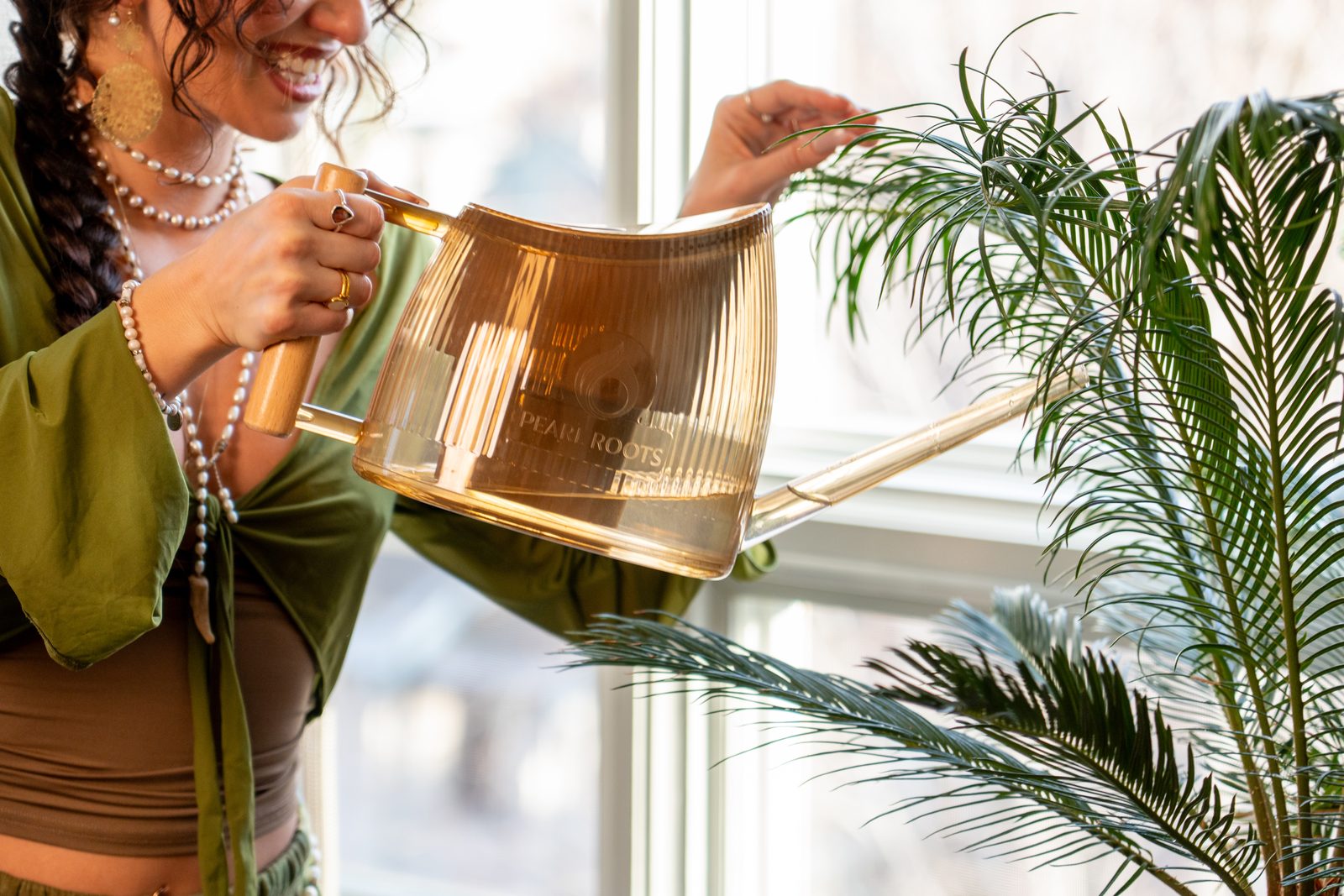
Is it your water?
The tips brown while the soil is evenly moist and the plant isn't wilting.
Your other plants — especially peace lilies, dracaenas or calatheas — have brown tips too.
You're on city tap water, a water softener, or you see a white crust on the soil or pot rim.
Two of these three and it's almost certainly the water:
Why spider plant tips turn brown
Spider plants move water from the roots out to the very ends of each leaf and let it evaporate there. Anything dissolved in that water that the plant can't use — fluoride, chlorine by-products, sodium from a softener, leftover fertilizer salts — gets carried to the tip and left behind. Over weeks it concentrates until the tissue dies. That's the brown tip.
Fluoride is the big one for spider plants. Most US city water is fluoridated at around 0.7 mg/L, which is fine for people and slowly toxic to this plant. Letting water sit overnight removes some chlorine but no fluoride at all, and no chloramine, which many cities now use instead of chlorine.
Low humidity and under-watering can brown tips too, but they usually brown the whole leaf margin and come with drooping. Clean, moist soil plus crisp tips is the water.
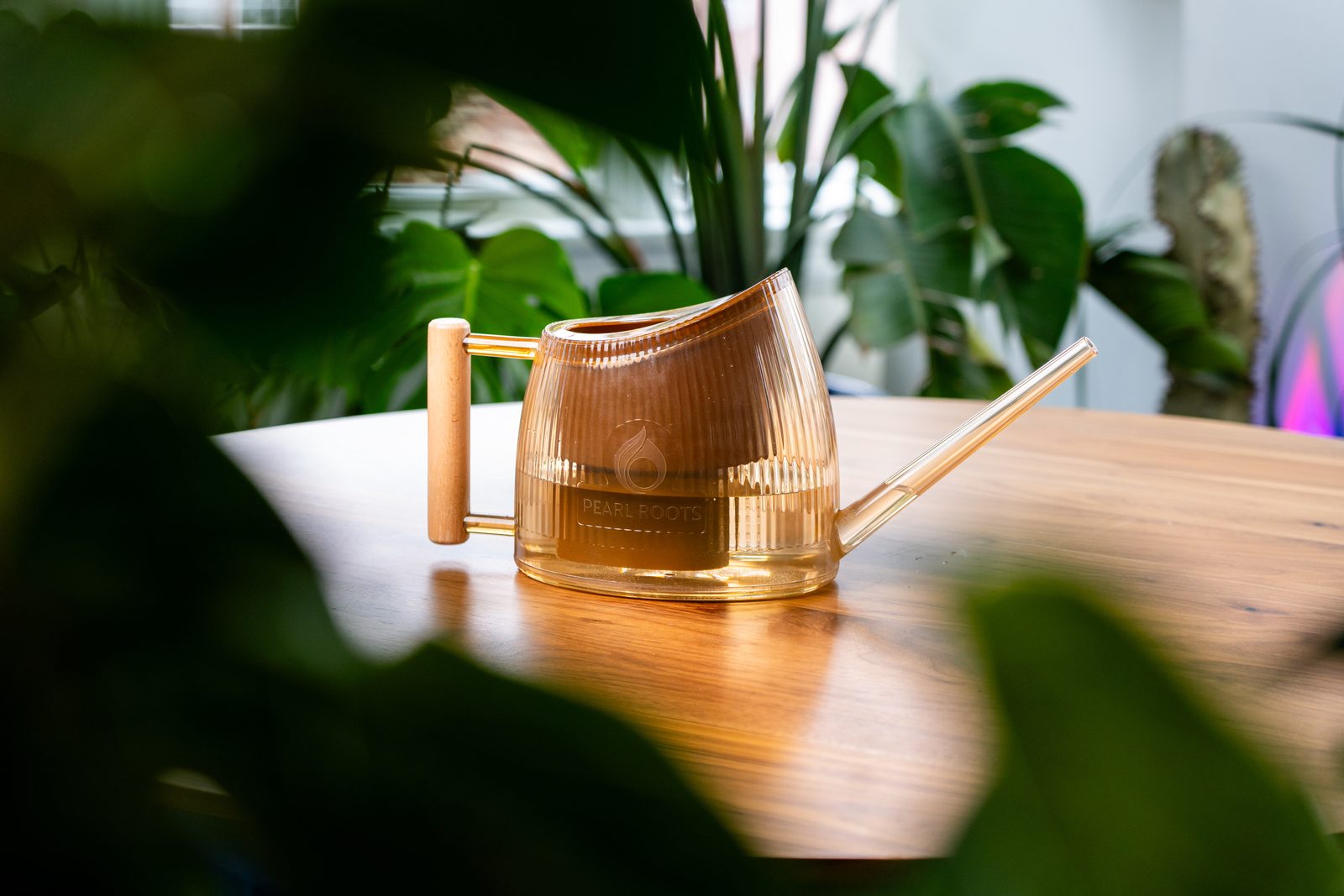

Watering Can With Filter and Remineralizer for House Plants
Filters chlorine, chloramine, fluoride and lead as you fill it, then adds back 20+ minerals
Free shipping · 30-day money-back guarantee
plus sales tax where applicable
Three steps to try
Tonight, switch to filtered, remineralized water — every watering, not just some.
Consistency matters. One watering with tap water resets the fluoride and salt buildup at the leaf tips.
Flush the pot once: water slowly until it runs freely from the drainage holes, to move built-up salts out.
Let about a pot's worth of water drain through to dissolve and carry away accumulated salts.
Trim only the brown tissue and leave a hairline of brown; cutting into green makes the browning advance.
Use clean scissors and cut just the dry brown part, leaving a tiny margin to protect the green tissue.
The Tap Water Plant Guide
Which 12 houseplants react to tap water, how to tell water damage from overwatering, and four ways to fix it — including the free ones.
Watering Can With Filter and Remineralizer for House Plants
Filters chlorine, chloramine, fluoride and lead as you fill it, then adds back 20+ minerals
Free shipping · 30-day money-back guarantee
plus sales tax where applicable
What else it could be
Direct afternoon sun scorches whole patches, not tips. Overwatering shows as yellowing lower leaves and a soft base. Spider mites leave fine webbing and stippling. If none of those fit, it's the water.
Frequently asked questions.
Better water, tonight's watering.
- Free shipping · 30-day money-back guarantee
- Free shipping
- 30-day money-back guarantee
- Replaceable filter packs