
Brown leaf tips? It's probably your tap water.
Crispy brown tips and edges on calathea, spider plants, dracaena, peace lilies, ferns and palms are the classic sign of fluoride, chlorine and salt buildup from tap water. Not underwatering. Not humidity alone.
Free shipping · 30-day money-back guarantee
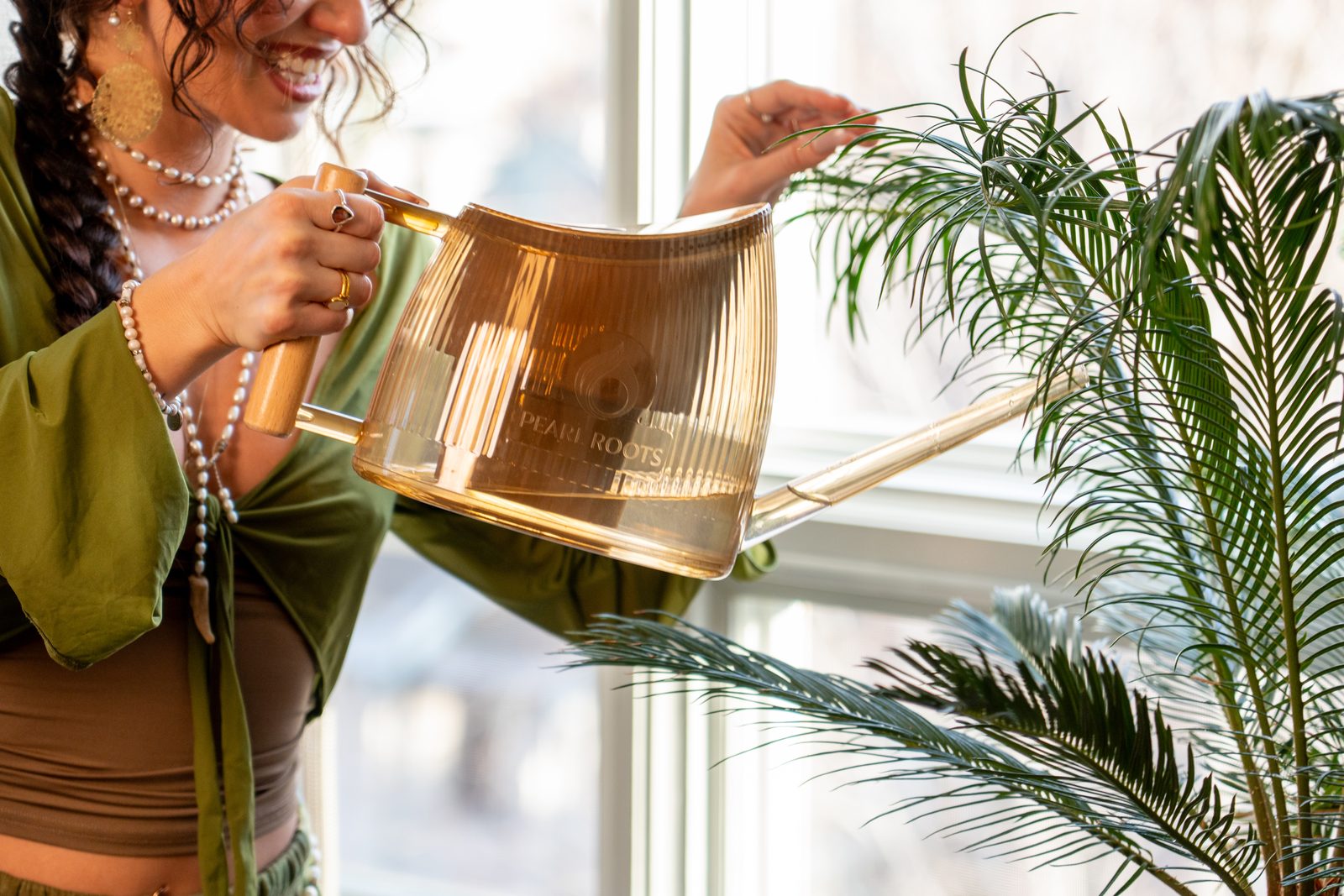
Why tap water browns the tips.
Leaf tips are where water evaporates last. As each watering dries, dissolved fluoride, chlorine byproducts and mineral salts concentrate right at the tip - and burn the tissue there first.
Sensitive species like calathea, spider plants and dracaena cannot tolerate even the small amounts found in municipal water, so they show damage while tougher plants look fine.
The damage on that leaf is permanent. Watch the leaves that open after you change the water.
Is it your water?
Brown tips or edges, rather than whole-leaf yellowing
Worst on sensitive species like calathea, spider plant or dracaena
White crust on the soil surface or pot rim
You water with tap water
Symptoms continue despite correct watering and humidity
Checked three or more? Your water is the most likely culprit.

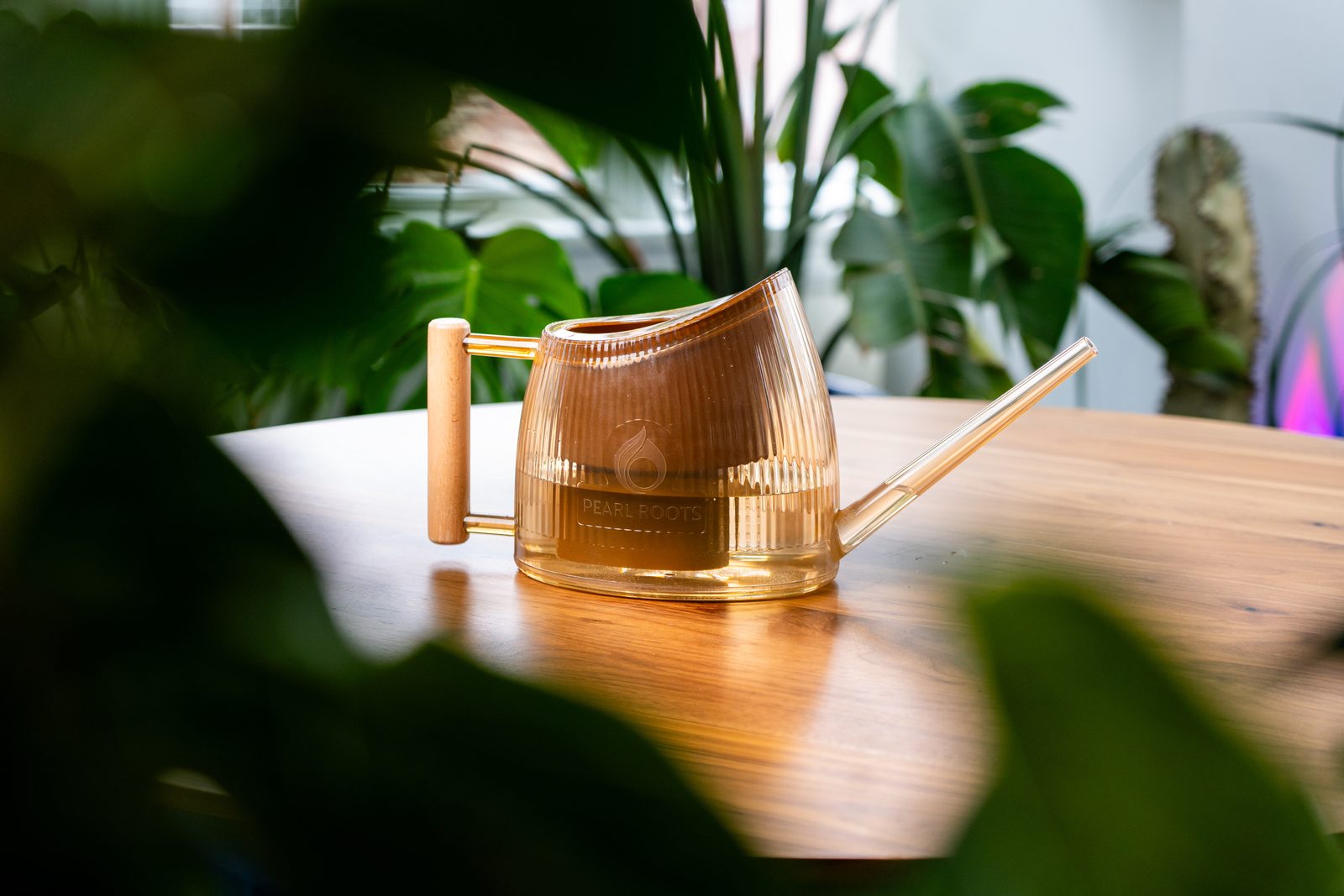
Watering Can With Filter and Remineralizer for House Plants
Filters chlorine, chloramine, fluoride and lead as you fill it, then adds back 20+ minerals
Free shipping · 30-day money-back guarantee
plus sales tax where applicable
Plants most sensitive to tap water.
Calathea & prayer plants
Maranta, stromanthe and ctenanthe react quickly to fluoride.
Spider plant
Famous for brown tips on municipal water.
Dracaena
Corn plant and marginata are highly fluoride-sensitive.
Peace lily
Tips brown even when watering is correct.
Lucky bamboo
Often grown in water, so water quality matters even more.
Cordyline & ti plant
Brown edges show up fast on tap water.
Boston fern
Crispy tips despite good humidity.
Maidenhair fern
One of the most sensitive houseplants, period.
Bird's nest fern
New fronds mark easily on hard, chlorinated water.
Parlor palm
Tip browning is a common tap-water symptom.
Areca palm
Fluoride and salts scorch the leaflet tips.
Majesty palm
Notoriously crisp tips on municipal water.
Ponytail palm
Tips brown with salt buildup over time.
Orchids
Roots and leaf tips dislike chlorine and salts.
Bromeliads & air plants
Absorb water directly - quality counts double.
Venus flytrap & carnivorous plants
Mineral buildup can be fatal; they need pure water.
Chinese evergreen
Tips brown on chemically treated water.
Dieffenbachia
Salt accumulation shows at the leaf edges.
Bird of paradise
Edges crisp even with perfect light and watering.
Anthurium
Sensitive to chlorine byproducts in tap water.
African violet
Leaves mark and crowns suffer from poor water.
Money tree
Tip burn appears with long-term tap water use.
Three steps to try.
1. Trim the brown tips
Optional and cosmetic. Snip along the leaf's natural shape; the damaged tissue won't recover, but the plant looks better.
2. Switch to filtered, remineralized water
Fill the Pearl Roots can from the tap, pour, done. It removes fluoride, chlorine, chloramine and heavy metals, then adds back 20+ minerals.
3. Watch the new leaves
Damaged leaves stay marked. Watch the leaves that open after you change the water.
The Tap Water Plant Guide
Which 12 houseplants react to tap water, how to tell water damage from overwatering, and four ways to fix it — including the free ones.
What about distilled or rainwater?
Distilled water contains almost no minerals. Rainwater works well if you can reliably collect it. Letting tap water sit out overnight does not help enough - it off-gasses some chlorine, but not chloramine or fluoride, which are the usual suspects behind brown tips.
Better water, tonight's watering.
- Free shipping · 30-day money-back guarantee
- Free shipping
- 30-day money-back guarantee
- Replaceable filter packs