
Is tap water bad for plants? Sometimes — here's how to tell and how to make it safe.
Plenty of houseplants shrug off tap water. The ones that don't — spider plants, dracaenas, peace lilies, calatheas, orchids, ferns — tell you with brown tips. What's in your water decides which group you're in.
- Removes chlorine, chloramine and fluoride
- Adds back 20+ minerals
- 30-day money-back guarantee
Free shipping · 30-day money-back guarantee · plus sales tax where applicable
Is your tap water the problem?
Sensitive plants have brown tips or crisp edges while the soil is fine.
Your water report lists chloramine or fluoride, or you have a softener.
You see white crust on soil, pots or the inside of your kettle.
Two of three and it is:
What's in your tap water
Chlorine: added to kill bacteria; stresses roots; evaporates if water sits for a day. Chloramine: chlorine bonded to ammonia, now used by many large US systems because it lasts longer — which also means it doesn't gas off. Fluoride: added for teeth in most US cities at about 0.7 mg/L; harmless to people, slowly toxic to fluoride-sensitive plants. Lead: from older pipes and fixtures, worst in first-draw morning water. Sodium: only if you have a softener, and then a lot of it.
Look up your city's annual water quality report — search your city name plus 'consumer confidence report' — and check for chloramine and fluoride. That's the two-minute version of this whole page.
Plants that mind, plants that don't
Sensitive: spider plant, dracaena and lucky bamboo, peace lily, calathea and prayer plants, orchids, ferns, palms, ti plants. Tolerant: pothos, snake plant, ZZ, philodendron, monstera, succulents — they'll take tap water for years and only show it as slightly slower growth.
Why letting water sit overnight isn't enough
Sitting water loses some chlorine. It loses no chloramine, no fluoride, no lead and no sodium. If your city uses chloramine — many large ones do — the overnight jug does almost nothing.
Boiling, drops, filters: what each removes
| Chlorine | Chloramine | Fluoride | Lead | Keeps minerals | |
|---|---|---|---|---|---|
| Letting it sit | Partly | No | No | No | Yes |
| Boiling | Yes | Partly | No (concentrates it) | No | Yes |
| Aquarium conditioner drops | Yes | Yes | No | No | Yes |
| Distilling | Yes | Yes | Yes | Yes | No |
| Filtered watering can | Yes | Yes | Yes | Yes | Yes and adds 20+ |

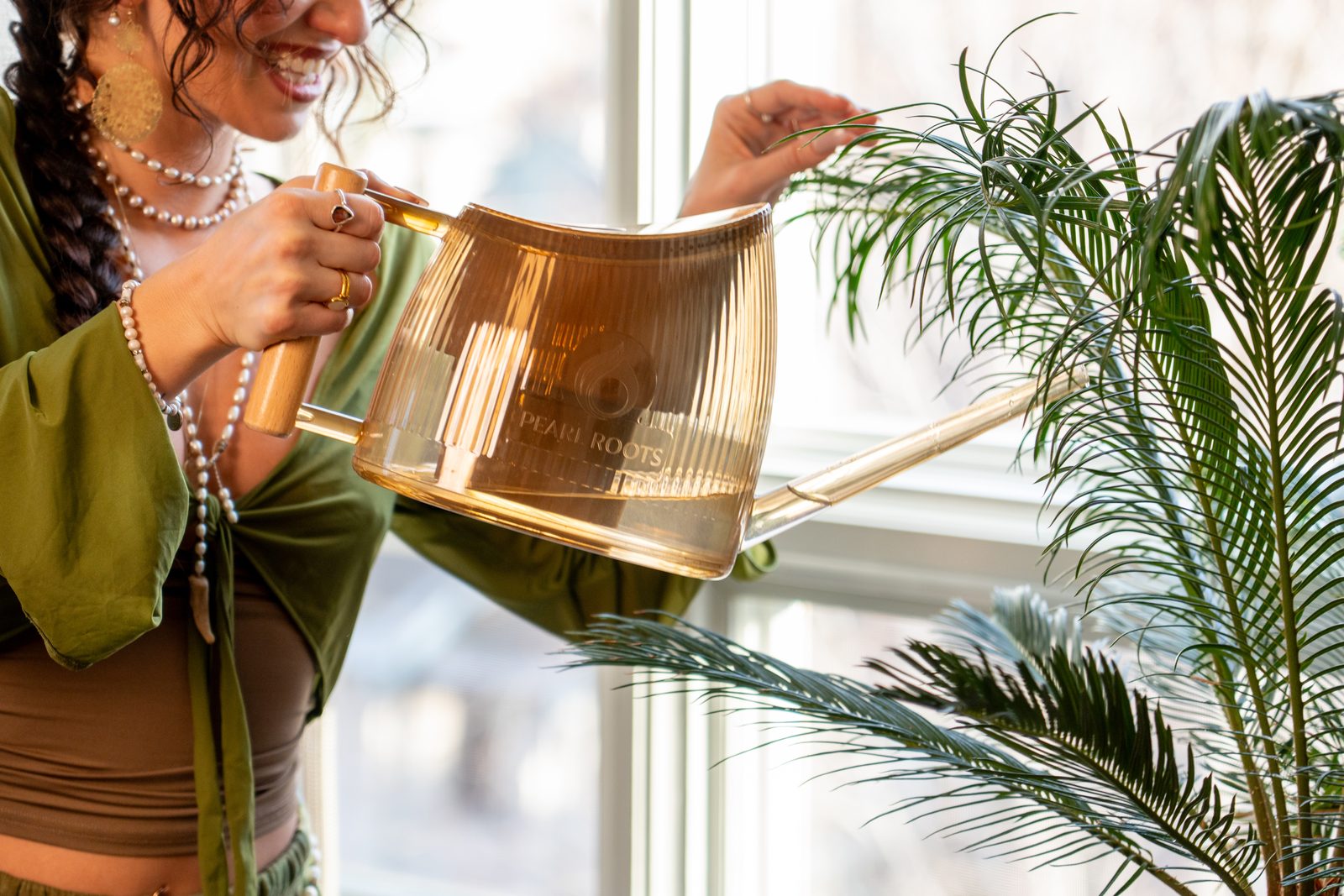
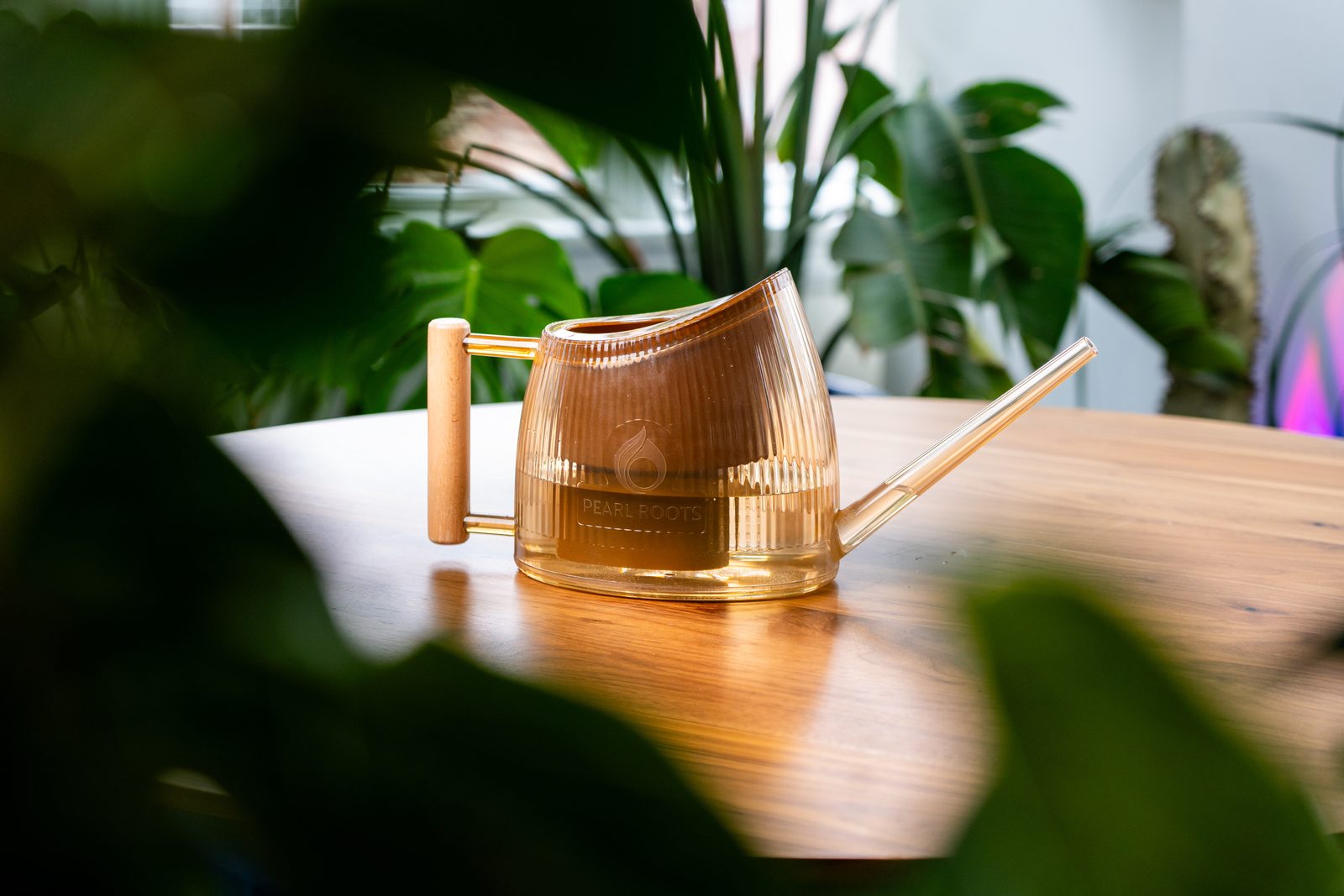
Watering Can With Filter and Remineralizer for House Plants
Filters chlorine, chloramine, fluoride and lead as you fill it, then adds back 20+ minerals
Free shipping · 30-day money-back guarantee
plus sales tax where applicable
How to make tap water safe tonight
Filter it as you fill — chlorine, chloramine, fluoride and lead out, minerals back in.
The filtered watering can removes the problem chemicals and adds back calcium, magnesium, potassium and iron as it fills.
Flush pots with a white crust once so old salts leave with the new water.
A full can of filtered water through the soil rinses accumulated salts out the drainage hole.
If you have a softener, always draw plant water from an unsoftened bypass tap, then filter it at the can.
Softened water trades calcium and magnesium for sodium, which damages roots and soil structure over time.
The Tap Water Plant Guide
Which 12 houseplants react to tap water, how to tell water damage from overwatering, and four ways to fix it — including the free ones.
Watering Can With Filter and Remineralizer for House Plants
Filters chlorine, chloramine, fluoride and lead as you fill it, then adds back 20+ minerals
Free shipping · 30-day money-back guarantee
plus sales tax where applicable
When it isn't the water
Yellowing from the base is overwatering. Pale, stretched growth is light. Sticky leaves are pests. Tap water gets blamed for all three; it's guilty of none of them.
Frequently asked questions.
Better water, tonight's watering.
- Free shipping · 30-day money-back guarantee
- Free shipping
- 30-day money-back guarantee
- Replaceable filter packs